The Hun people
The Huns are a legendary warrior nation, whose social structure was based on virtues rather than origin. Regardless how poor a person was, showing certain qualities could raise them to noble ranks. One of these qualities was ferocity during battles. Killing enemies and proving such deeds with witnesses (note the importance of protecting those around you) was highly honored.
Those not fighting could also prove themselves in various fields. Musicians, healers, spiritual leaders, bowmakers were also appreciated and respected.
Huns and Magyars
The people we call Huns today were in fact a mixture of several tribes. Hun warriors from a very early age were trained fierce fighters and were not well-versed in arts, politics or crafts.
Counterbalancing the hot-headed Huns was the Magyar people, in charge of tactics and negotiations. They were also the healers and spiritual leaders of their people. The Turks (not to be mistaken for Turkish people) were also part of the Huns, and so were the Avars among other ethnicities.
Attila the Hun
The legendary leader of the mighty Hun people (406-453 A.D.) built an empire that stretched from Central Asia to West Europe, from the Black Sea to the Baltic Sea. One of the most notable leaders in history, he is cursed by some historians for his brutality, heavy drinking, primitive manners and sadistic nature, he is praised by others for his generosity, humbleness, politeness and braveness.
Considering the overwhelming information supporting the latter (e.g. the extensive love of the Huns for Attila even after his death or the fact that even though his army defeated the Roman army several times and finally he had the Romans on all fours in front of his vast army, he showed mercy and spared them in exchange for financial gains) point of view, we can dismiss the former as results of envy and humiliation of the defeated.
Early years
Not much is known about Attila’s childhood. He was the son of a notable army officer and spent some of his childhood among enemies: after reaching a peace agreement with the East Roman Empire, the Huns offered Attila as hostage in exchange for some Roman nobility. Even as a child, he realized how corrupted and valueless the Romans were and he was disgusted by them, denouncing the Roman Empire as rotten to the bone.
His death
There are several theories as to what exactly caused his death at such a young age. Among them are nose-bleed, choking on his vomit, alcohol poisoning, etc. Most of his living descendants, however, are quite insistent that the greatest of Huns was poisoned, most probably by his newly wed wife, Ildikó (most probably an agent of the East Roman Empire).
Weapons and armours
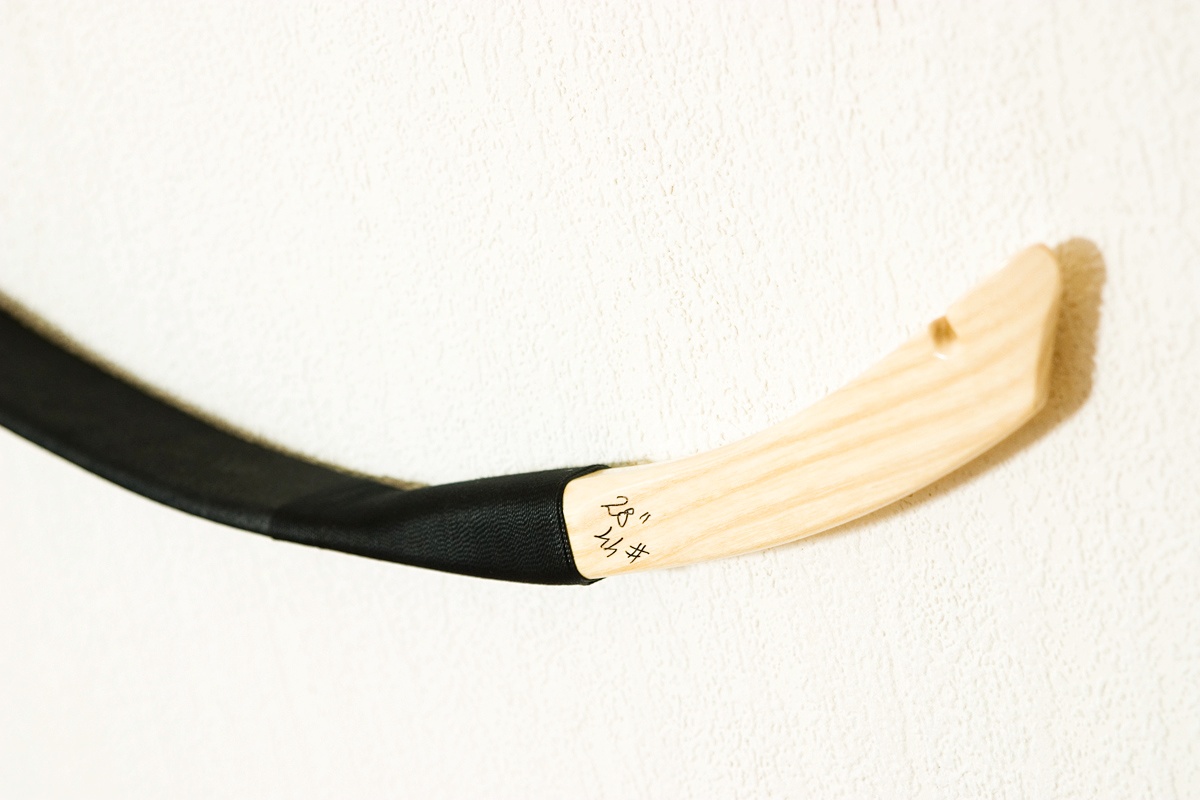
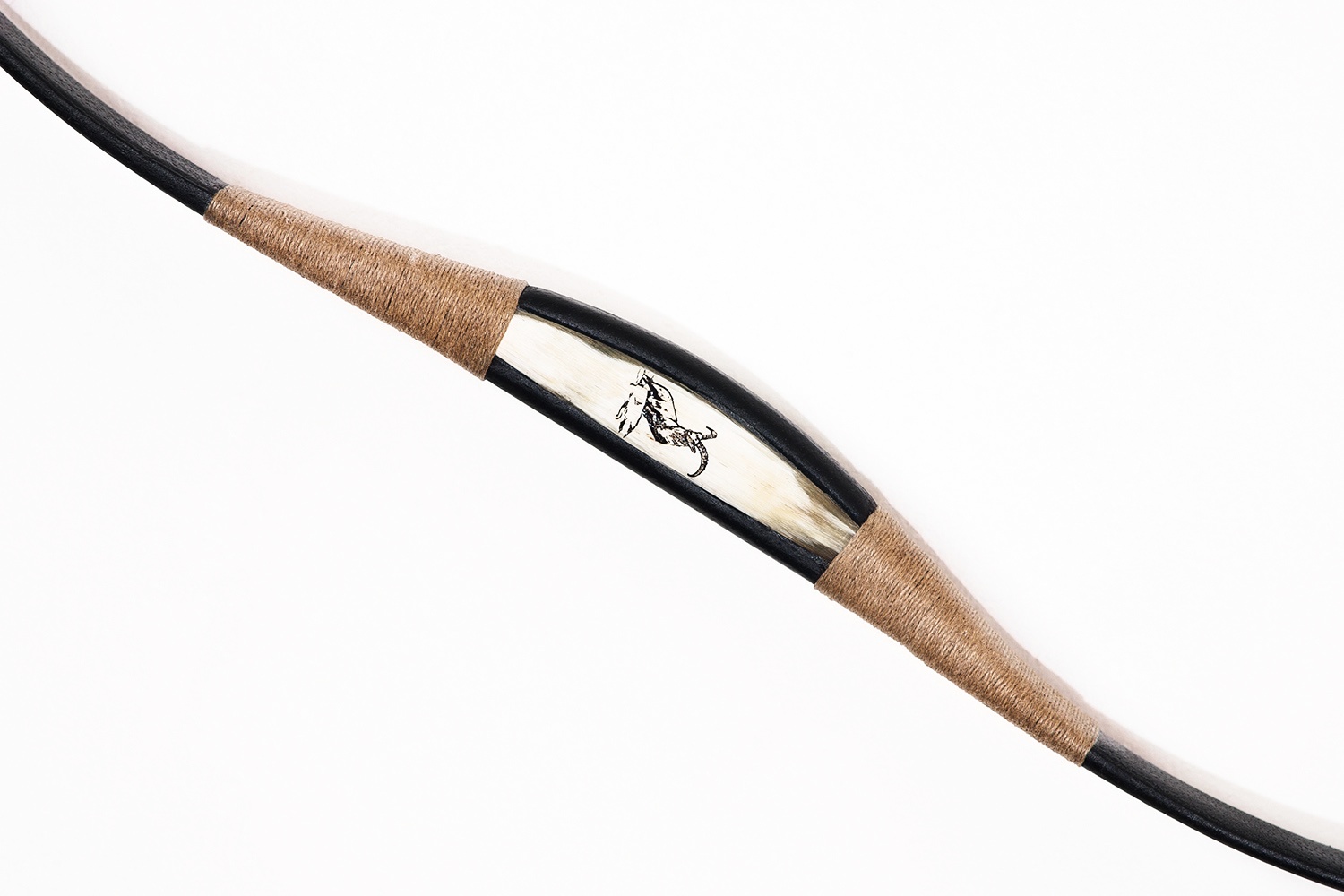
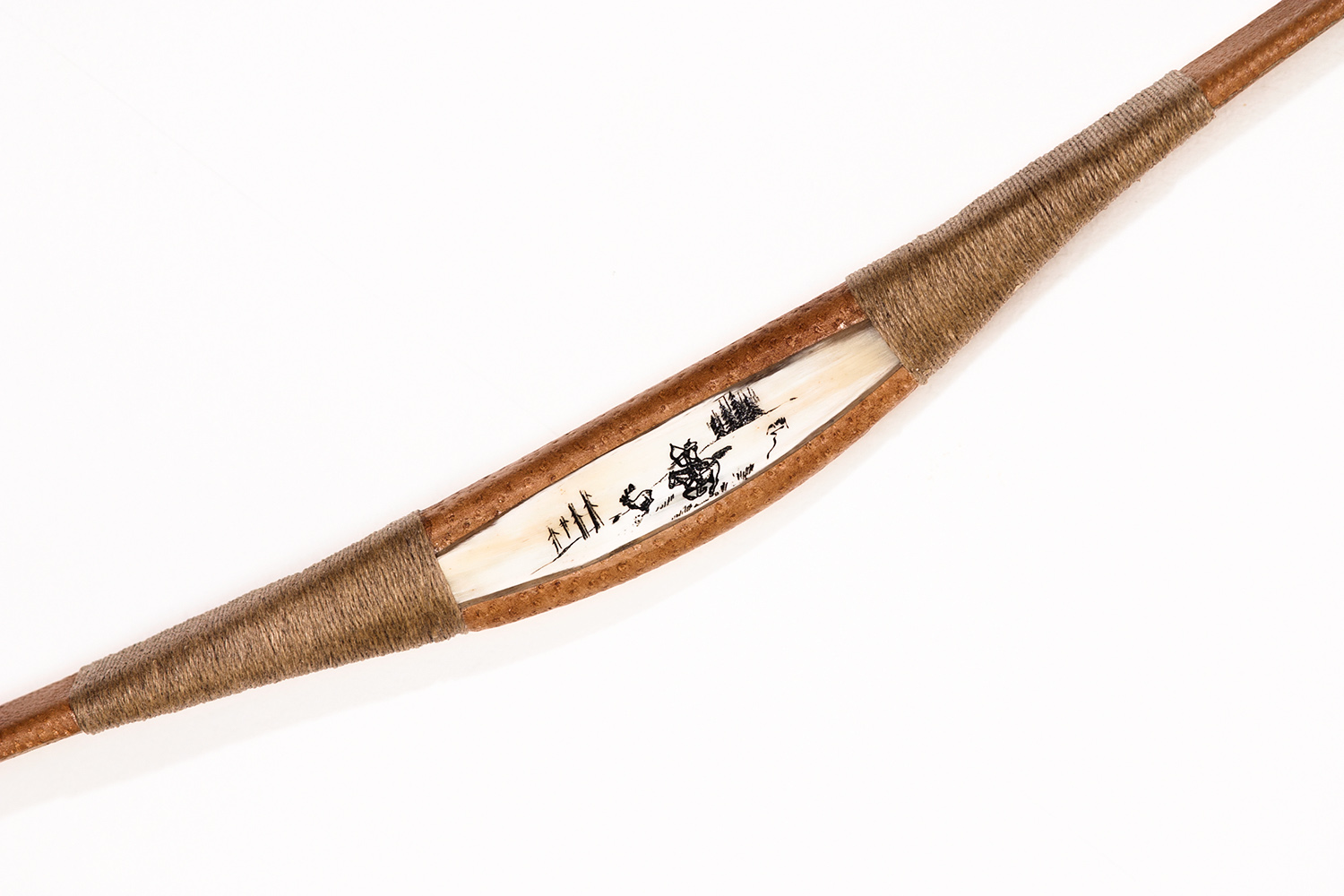
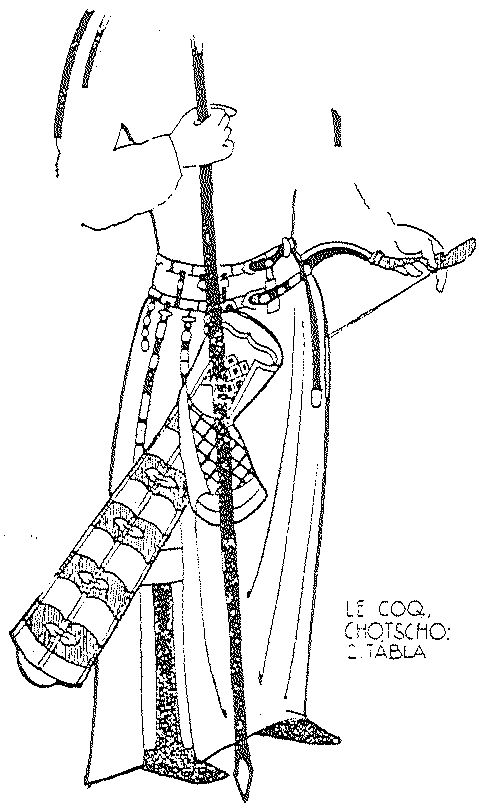
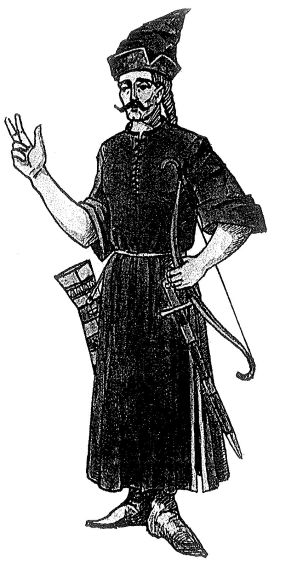
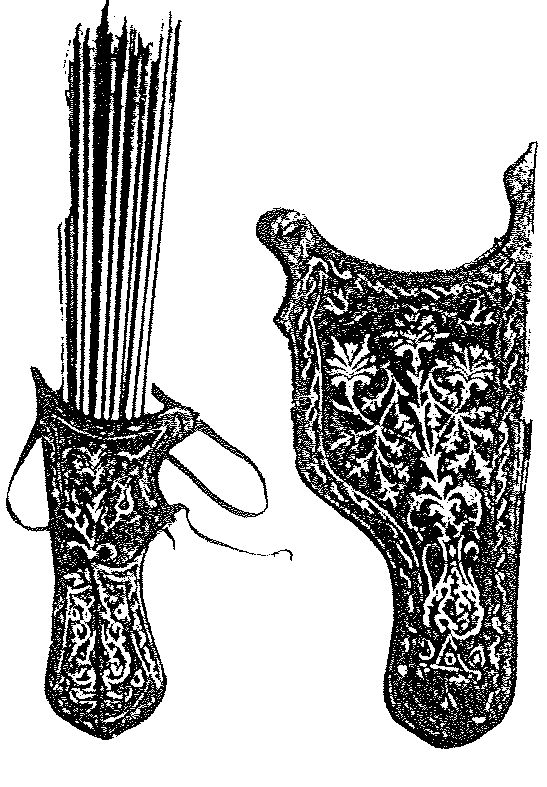
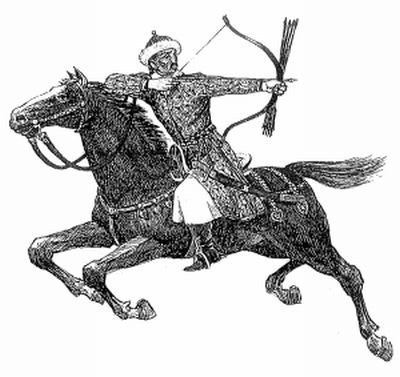
The amazing Hun conquests are proof that contrary to western beliefs, the Huns were not a nomadic, pastoral people. In fact, their army relied on a vast array of ingenious machinery, weapons and armour capable of not only defeating the enemy on the planes but also being able to siege towns and castles. We can say with certainty that they were ahead of the western civilization with hundreds of years, considering technology alone.